Posted on

How To: Side-Lying Hip Abductions

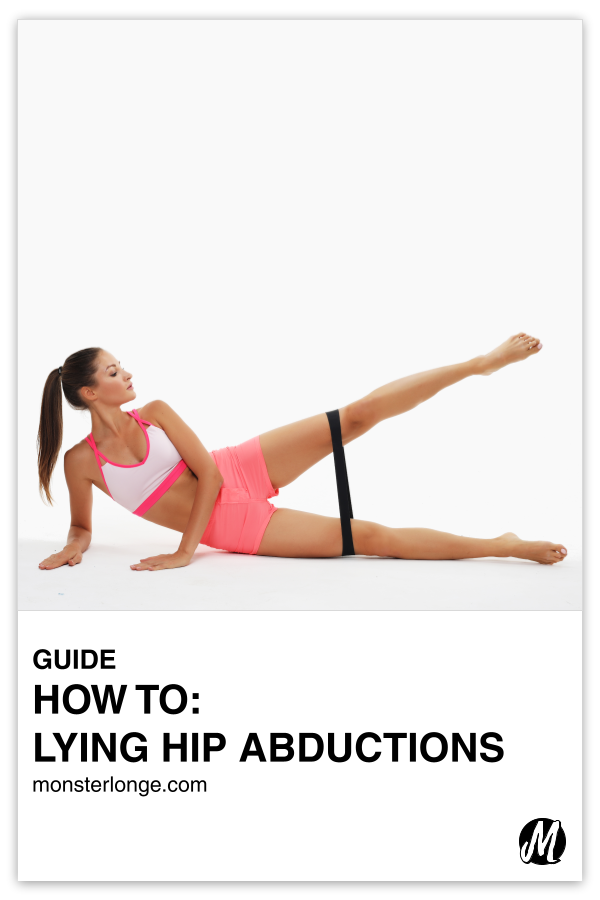
How To: Lying Hip Abductions written in text with image of a woman performing side-lying hip abductions with a mini-band around her knees.

How To: Side-Lying Hip Abductions

How To: Lying Hip Abductions written in text with image of a woman performing side-lying hip abductions with a mini-band around her knees.

Have knee pain that isn’t brought on by having your legs broken from a gambling debt or some other kind of freak injury?

Then you more than likely have weak glutes.

The glutes are the largest muscle group in the body and consist of three muscles, one of which is the gluteus medius. The gluteus medius is responsible for leg abduction, or lifting your leg to the side, as well as stabilization of the pelvis. When this muscle is weak, the right side of the pelvis, for example, drops as you lift that leg to stand on the left one as you walk or run. Then with all your weight bearing on that leg, your knee caves in toward the other knee, which compresses the kneecap. It’s this chronic stress of the knee that eventually results in knee pain thanks to the change in the body’s biomechanics.

That’s not only where hip abduction exercises come in handy to help strengthen the gluteus medius but also where side-lying hip abductions come in particularly useful. Per a recent study comparing different side-lying hip strengthening exercises, side-lying hip abductions beat out clamshells and side-lying hip abductions with external rotation. Side-lying hip abductions were superior in activating the gluteus medius with little activation of the tensor fasciae latae and anterior hip flexors.

So yeah, you should probably do ’em! Continue reading How To: Side-Lying Hip Abductions
Posted on

How Low Should You Squat?

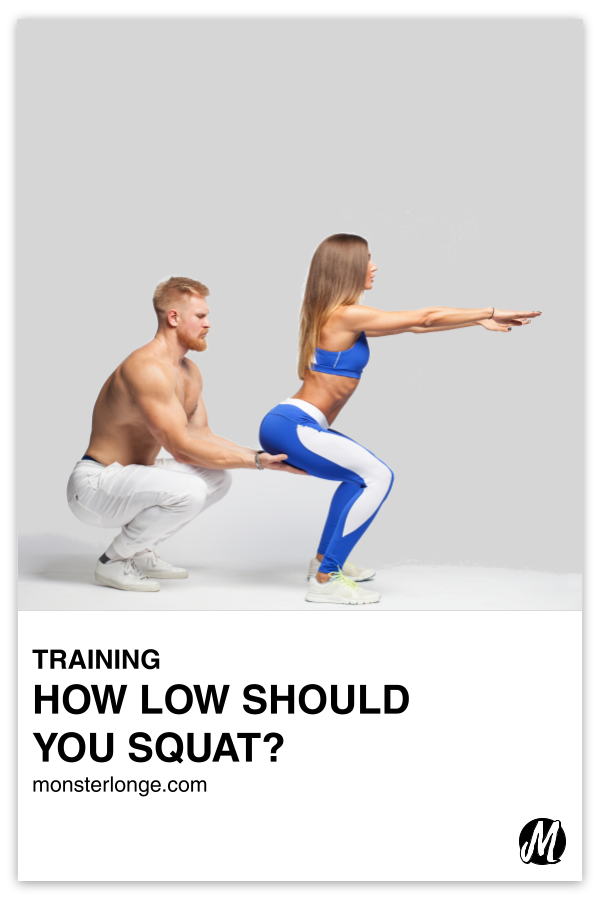
How Low Should You Squat? written in text with image of a man behind a woman cupping her butt in his hands as she squats in front of him with outstretched arms.

How Low Should You Squat?

How Low Should You Squat? written in text with image of a man behind a woman cupping her butt in his hands as she squats in front of him with outstretched arms.

How low should you squat?

Oh, you mean like how many degrees should your knees and hips be?

Ha, that’s easy!

The answer is “Don’t do them at all” degrees!

Like, why would you even want to leg day, bro?

Furthermore, why on earth would you want to use the squat rack for squats when you could use it for its actual intended purpose, which is for curls?!?! Continue reading How Low Should You Squat?

Posted on

Sodium And Weight Gain

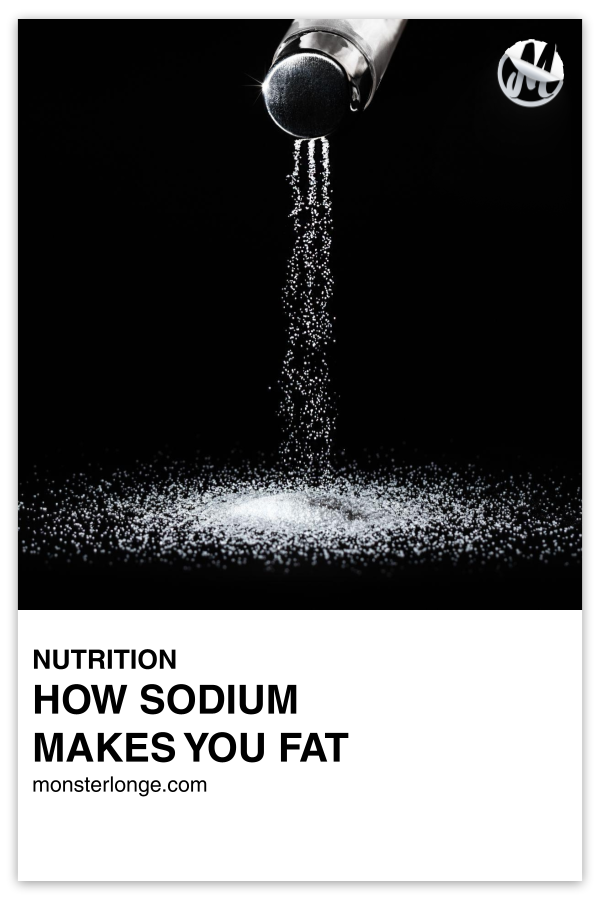
How Sodium Makes You Fat written in text with image of a salt shaker pouring out salt.

Sodium And Weight Gain

How Sodium Makes You Fat written in text with image of a salt shaker pouring out salt.

Saltiness is ruining your life.

Whoa there, grumpy!!!

While you’re well within your rights to take those two middle fingers out of their holster for thinking I’m going to talk some dumb shit about how you should be nicer to people to expand your social circle to increase networking opportunities for greater outcomes in your professional career, I’m most certainly not going to talk some dumb shit like that!

No, I’m talking about how your life is being ruined by all the weight you’re gaining from the packaged and processed food you live on that’s loaded with sodium!1Sodium is most commonly found in table salt as sodium chloride (NaCl) but other sources include monosodium glutamate (MSG), sodium nitrite, sodium saccharin, and baking soda. In total, the average American eats 3500 mg of sodium per day, with 75 percent of it coming from processed foods and restaurant meals. Compare that intake to the recommended daily intake of less than 2300 mg.

As is most commonly known about sodium, it makes you retain water, which leads to temporary water weight. But sodium being one of the causes for fluctuations on the scale isn’t the only effect it has on weight.

Nope! Continue reading Sodium And Weight Gain