
Why on earth would you ever not drink fucking soda?!?!, you ask incredulously.
Good question!
After all, the caffeine and sugar can provide a quick pick me up when your energy levels are low, with the former also boosting concentration and alertness. Together, those two ingredients can help increase performance when you’re tired or engaging in certain tasks. And as if it needed to be said, soda is fucking delicious.
Soda = 🤤
But here’s the thing…
As enjoyable as soda is with its refreshing taste and bestowing of special powers, the beverage comes with potential health risks. When consumed in addition to coffee, tea, matcha, kombucha, energy drinks and bars, chocolate, certain medications, and other items that incorporate caffeine, soda can contribute to nearing or exceeding the safe limit of 400 mg of caffeine per day and result in mild or severe adverse effects, some of which include anxiety, insomnia, digestive issues, irregular heartbeat, hallucinations, psychosis, and seizures. Those are the risks posed by caffeine but many of the health problems that are related to soda are associated with the content of sugar that’s added during manufacturing.
A combination of glucose and fructose, high fructose corn syrup is the most common soda sweetener in the United States and based on an analysis of drinks with that type of added sugar, the fructose-to-glucose ratio is usually 60:40. While the human body was designed to metabolize glucose, which is its preferred energy source, it wasn’t meant to handle fructose in higher quantities than that which is found naturally in plant foods that also contain fiber to mitigate its effects. It’s from the overconcentration and poor processing of this form of sugar that frequent soda drinking is linked to high blood pressure, high cholesterol, heart disease, type 2 diabetes, non-alcoholic liver disease, gout, rheumatoid arthritis, kidney stones, elevated uric acid levels, dementia and cognitive decline, and certain types of cancer. Though these risks and others aren’t exclusive to the added sugar from soda but apply to all sources of it, soda is of particular danger because of the ease in which it’s possible to overindulge and exceed the recommended daily intake by way of soda alone or in combination with other foods and beverages that various added sugars are present in.1As an illustration, the American Health Association recommends less than 25g of added sugar a day for women and less than 36g for men. On average, a 12-ounce can of regular soda contains as much as 39g of added sugar. When a can of soda is consumed in whole, as it typically is, it easily places you over the recommended limit.
More than the occasional soda comes with a number of health risks from the added sugar affecting the body in a negative way, whether that be through the creation of inflammation or some other mechanism. If those health effects don’t scare you, there’s also the weight gain and obesity that’s commonly associated with frequent soda drinking. One reason for that risk has to do with the body not registering fullness from liquid calories in the same way that it does with solid food. So with it being the case that soda doesn’t satisfy, it can lead to taking in extra calories on top of those provided by the beverage if compensatory measures aren’t taken.
The calories from liquids having a different effect than solid food is one way that drinking soda regularly can impact the waistline. Another is that soda has the potential to interfere with hormones responsible for the appetite and fat storage. Speaking to that, leptin is the hormone that controls satiety and resistance to it may occur over time in response to too much sugar on a persistent basis. The hormone that stimulates hunger is ghrelin and its production increases in response to carbon dioxide in the stomach.2What’s interesting is that occurrence happens irrespective of if the gas is from carbonated soda or carbonated water. As to why carbon dioxide in the stomach prompts the release of ghrelin, there’s no definitive answer but one proposed theory is that there are chemical receptors in the stomach that detect the gas and signal for the production of ghrelin and another is that the hormone is stimulated to release by the extra gas causing bloating that stretches out the stomach. Both of those effects can result in increased food intake on account of soda. The same goes for the spike in insulin, as the high quantity of sugar in soda floods the body with the hormone and disrupts normal hunger signals, thereby contributing to hunger and cravings. With enough regularity, cells become less sensitive to insulin’s influence to drive sugar from the bloodstream for use as energy or to the muscles and liver for storage as glycogen for the body’s needs in the immediate future. Instead, the sugar converts to fat, with it mostly accumulating in the abdominal region around the organs, which presents its own problems.
There are plenty more ways that soda affects the all-important appearance but the above is more than enough to get the point that it can be deleterious to your sex appeal when consumed as the main source of hydration. Then on top of that, there’s also stuff like premature aging of the skin and rotting of the teeth.
Yeah, I know, with all the risks involved, soda sounds mighty, mighty yucky right about now!

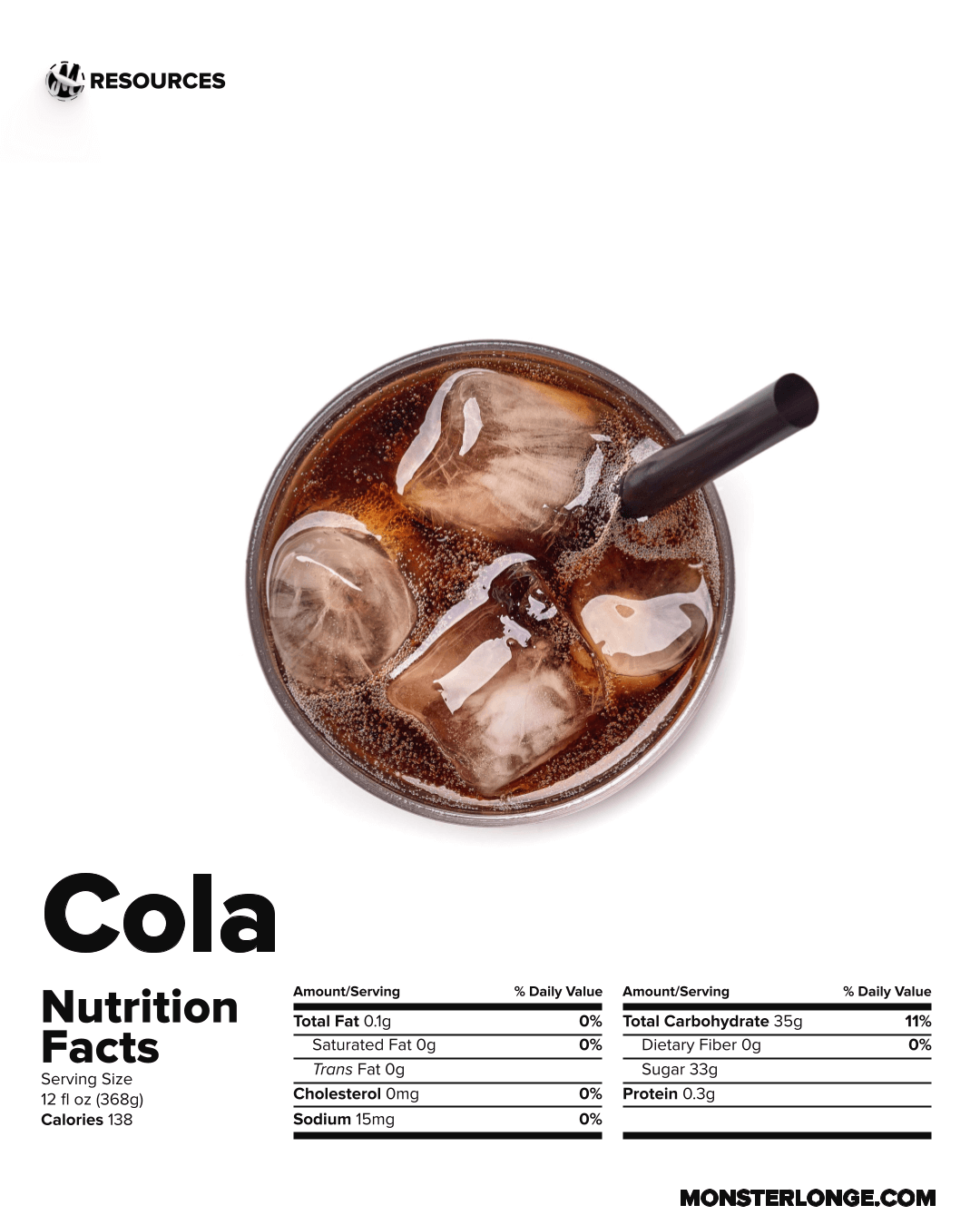
Cola Nutrition Facts
Serving Size 12 fl oz (368g)
• Calories: 138
• Total Fat: 0.1g
• Cholesterol: 0mg
• Sodium: 15mg
• Total Carbohydrate: 35g
• Dietary Fiber: 0g
• Sugar: 33g
• Protein: 0.3g
Glossary: calories, fat, food, glucose, hormones, muscle

- Just The Tip #4441 - May 5, 2026
- Just The Tip #400 - May 4, 2026
- Just The Tip #3017 - April 30, 2026