
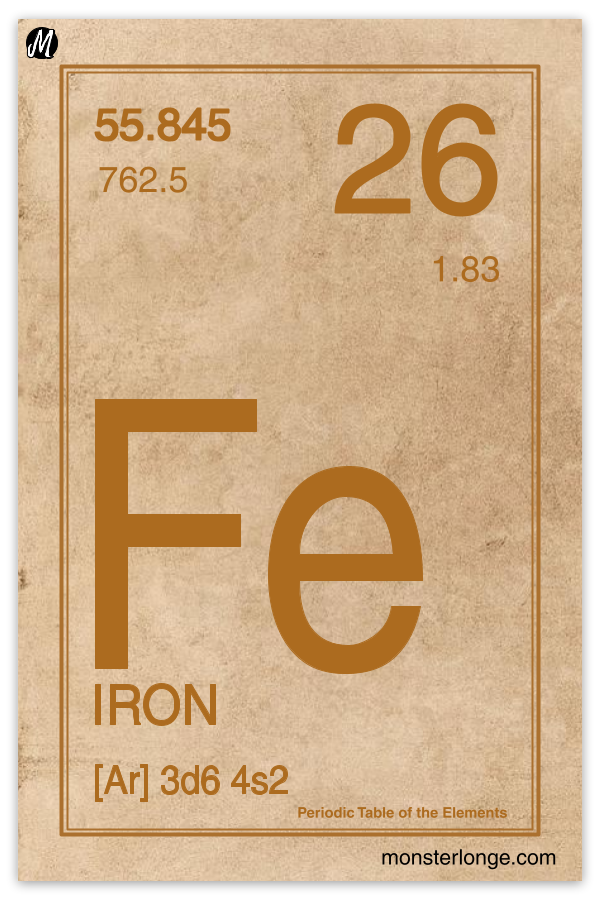
Iron Food List
Your iron status is pretty bad.
Not only don’t you own a firearm to protect you and your family in the event that the zombie apocalypse finally happens and society descends into chaos with shit becoming more “every man for himself” than things already are but your intake of the essential mineral is also low because you’re not consuming enough or getting it from the right sources to meet the recommended daily amount.1General guidelines call for men to consume 8mg of iron per day and 18mg for pre-menopausal women. Iron requirements may be even higher for other individuals, such as pregnant women, non-meat eaters, those with certain medical conditions, like cancer, endometriosis, or heart failure, and participants of prolonged or intense activity that causes sweat or repetitive striking of the foot. People in those groups may require more iron than is needed by the average person due to poor absorption or increased loss. Depending on the circumstance, a supplement containing only iron or in combination with other ingredients may be of benefit to reach that higher intake but only after consultation with a doctor to make sure the pill or tablet doesn’t interact with any medication(s) you may be taking.
Neither of those things are good but luckily, they both have an easy solution!
All you have to do for the former is look up the proper gun purchasing procedure that’s specific to where you live and then follow the requirements that bring you in compliance with federal, state, and local laws.2…or just hit up your friendly neighborhood gunrunner who traffics arms and ammunition out the trunk of their car from the back alleys and parking lots of seedy establishments around town. Concerning the latter, below are some of the best food sources to help you get the right amount of iron in your diet.
SOURCES:
FRUITS
• Raisins3Seedless.
• Tomatoes4Canned.
VEGETABLES
• Spinach5Boiled and drained.
• Broccoli6Boiled and drained.
• Green Peas7Boiled.
LEGUMES
• Kidney Beans8Canned.
• White Beans9Canned.
• Chickpeas10Canned.
• Cashews11Oil roasted.
• Pistachios12Dry roasted.
PULSES
• Lentils13Boiled and drained.
GRAINS
• Breakfast Cereal14Fortified.
• Brown Rice
• White Rice
• Whole Wheat Pasta
• Whole Wheat Bread
• White Bread
MEAT
• Beef15Particularly the liver.
• Chicken16Particularly the breast, roasted with meat and skin.
• Turkey17Particularly the breast, roasted with meat and skin.
SEAFOOD
• Oysters
• Sardines18Canned, with bones.
• Tuna19Canned.
DAIRY
• Dark Chocolate2045-65% cacao solids.
NOTE: There are two types of iron found in food. One comes from animal sources and is called heme iron. Because that form of iron is readily absorbed by the body, items like meat and seafood are the best sources of iron. The other type of iron is non-heme iron and foods under that classification might have an adequate amount of iron in them but the mineral has extremely low bioavailability because of certain compounds like polyphenols and phytate that inhibit absorption. Plant foods like nuts, seeds, grains, beans, cereals, and legumes fall under this category. Ascorbic acid, or vitamin C, however, helps the body absorb plant-based iron. As a result, fruits, vegetables, and other plant foods should be eaten along with kiwi, strawberries, oranges, peppers, and other sources of vitamin C so the non-heme iron is made available. Pairing heme iron sources with non-heme iron food also appears to help boost non-heme iron absorption.
NOTE: Besides eating the wrong type of iron, another thing that can affect the amount of iron that’s actually in your body from a meal is drinking tea or coffee as you dine. The issue there is that the tannins in those beverages can bind iron and make it harder for the body to absorb it upon formation of an insoluble compound. Calcium can have an inhibitory effect on iron too, so it’s best to space out milk and other dairy products from when you consume foods with a lot of iron content.

Above are the major sources of iron and instructions on how to increase absorption so you’re actually taking advantage of the iron that you consume.
But what’s the big deal about iron in the first place?
Well, some of the benefits of iron extend to supporting the immune system and cognitive function, promoting healthy hair and skin, and improving sleep quality. Even more than that, iron is an essential mineral that’s necessary for such things like the synthesis of thyroid hormones that regulate the metabolism, heart rate, body temperature, and systemic growth and development. Iron also plays a contributing role in the production of testosterone, a hormone with effects on bone density, fat distribution, and muscle mass and strength.
Most importantly, iron is a vital component of hemoglobin, a protein in red blood cells that binds to oxygen in the lungs and delivers the nutrient to the body’s cells and tissues. Myoglobin is another oxygen transport protein but it stores oxygen in the muscles for their use as a reserve source when oxygen demand is high or the supply is limited, such as during intense exercise. Iron has an integral part in the creation of that hormone as well. That availability of oxygen is what helps the cells produce adenosine triphosphate (ATP) to use as energy for all of their functions, one of which is muscular contractions. As such, by providing the body with the fuel it needs to generate energy, adequate levels of iron can help increase exercise performance by improving endurance and delaying fatigue.
Glossary: ATP, diet, exercise, food, hormones, intensity, metabolism, muscle, supplement, vitamin

- Just The Tip #4441 - May 5, 2026
- Just The Tip #400 - May 4, 2026
- Just The Tip #3017 - April 30, 2026